Start with a route that respects the schedule
Regional clusters reduce dead miles, but the official schedule determines whether a two-, three- or four-park route is actually possible.
 Ballpark PassportGet the app
 Baseball travel
Build a baseball trip around the schedule instead of forcing a route that looks good on a map but fails on game day.
 Complete topic hub
Start here
A reliable MLB ballpark road trip starts with official game dates, groups nearby cities, leaves recovery time between travel days and keeps tickets, transport and lodging flexible until the schedule is confirmed.
Regional clusters reduce dead miles, but the official schedule determines whether a two-, three- or four-park route is actually possible.
Tickets are only one line item. Lodging, city parking, fuel, flights, meals and schedule changes usually decide the real cost.
Most fans reach all 30 by combining local day trips, efficient regional loops and one or two anchor trips each season.
Deep dives
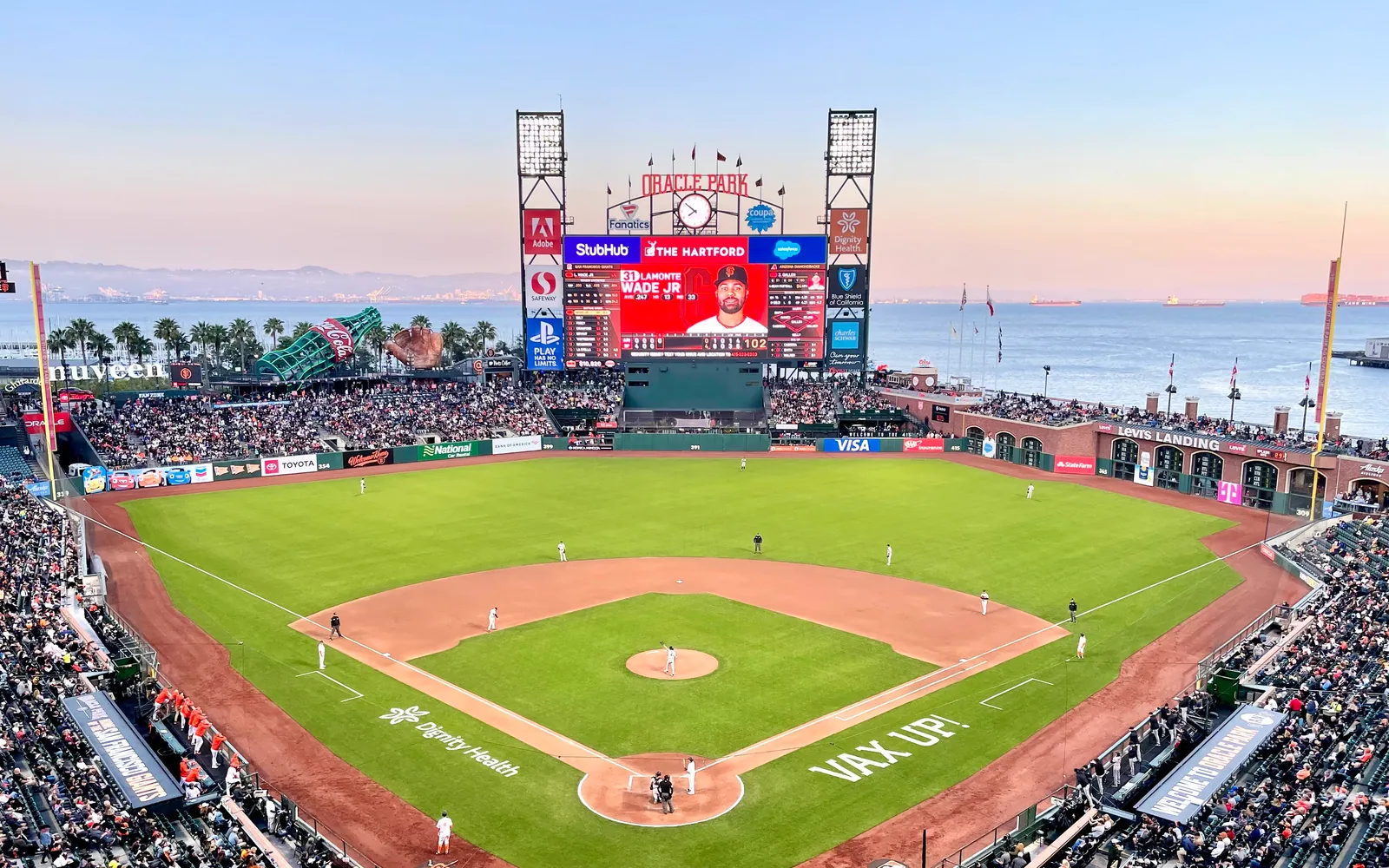
The best route is not the one with the most stadium pins. It is the one the schedule can support without wasting the trip between games.
Read the article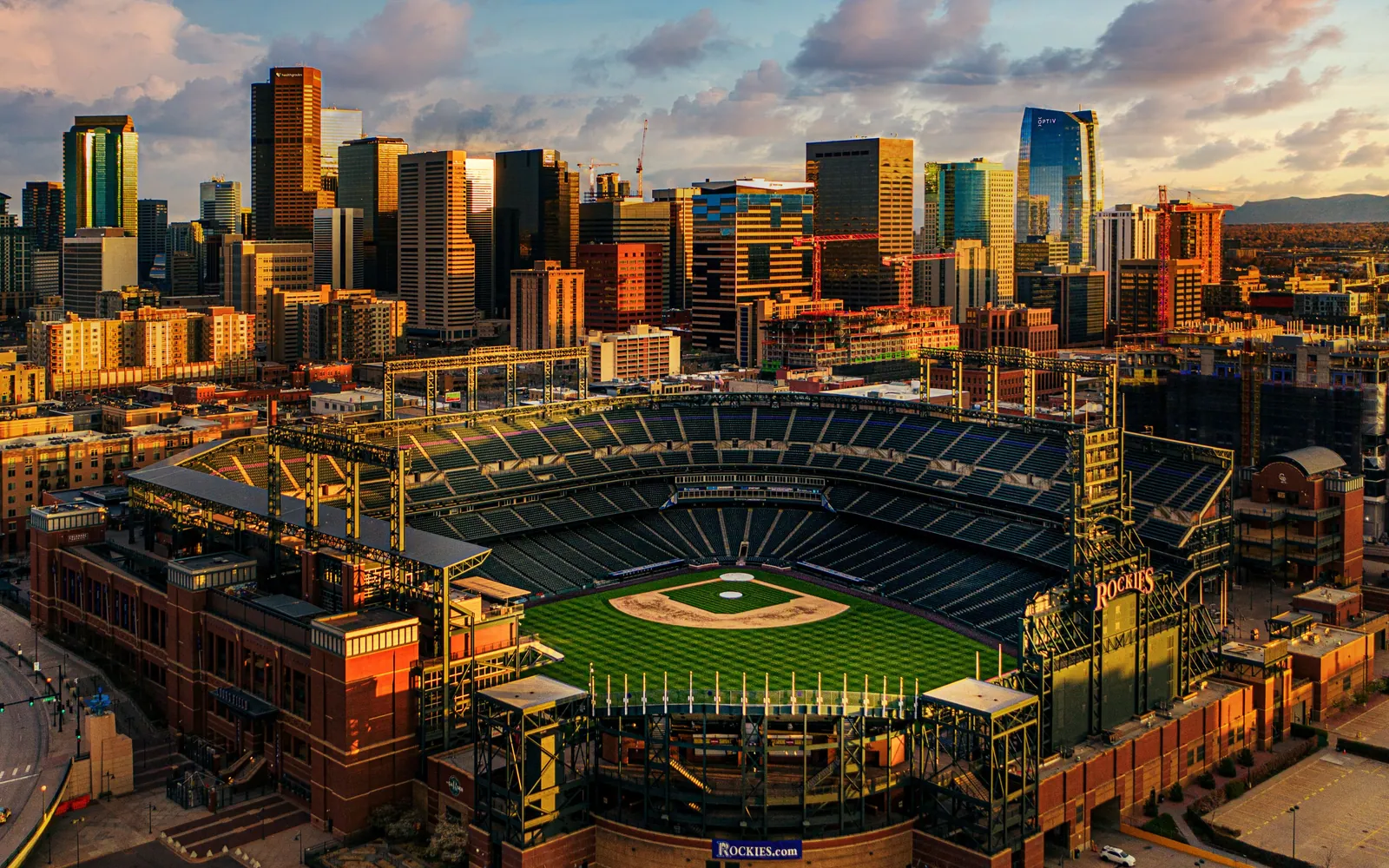
The ticket is visible; the hidden travel friction is what usually breaks the budget. Price the trip as a system.
Read the article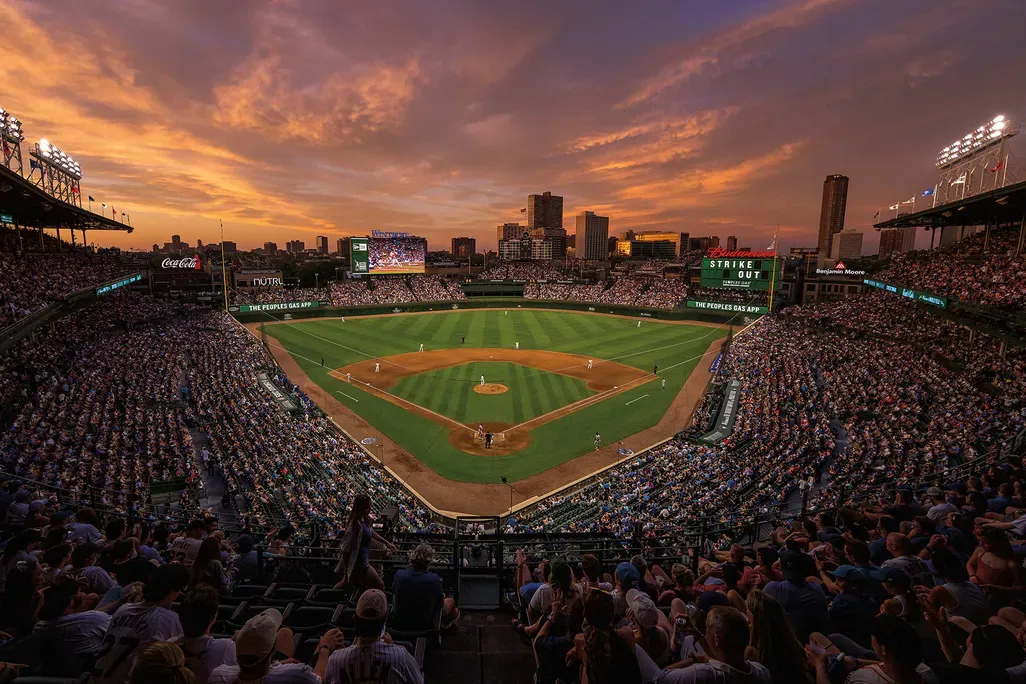
All 30 is a long project, not one giant itinerary. Design a system that keeps the travel joyful and the record honest.
Read the articleFAQ
Trips with strong rail links and short distances are usually easiest. A New York–Philadelphia loop is a practical starting point when home dates align.
Map candidate routes after the schedule is released, then check game times and ticket rules before making non-refundable travel purchases.
Two to four parks is realistic for many travelers. More is possible, but delays and night-game travel can quickly turn a vacation into a checklist sprint.