Direct answer
The best MLB ballpark road trips group nearby venues with workable transport and overlapping home dates. Strong candidates include New York–Philadelphia, Chicago–Milwaukee, a California coast route and a Texas pair, but every itinerary must be rebuilt around the official schedule.
Key takeaways
Make the decision simpler.
- Treat every route as a template until schedules align.
- Prefer two or three meaningful stops over a rushed record.
- Add a buffer when a missed game would break the trip.
Northeast: New York and Philadelphia
This is one of the clearest car-light baseball clusters when the Yankees, Mets and Phillies have compatible home dates.
New York offers two parks connected by a large transit network, while intercity rail can continue the trip to Philadelphia. That reduces the need to collect and return a rental car in dense city centers.
Do not assume a geographically neat sequence will appear on the schedule. Check day games after night games, possible rain exposure and the time needed to move luggage before locking the order.
- Yankee Stadium
- Citi Field
- Citizens Bank Park
Upper Midwest: Chicago and Milwaukee
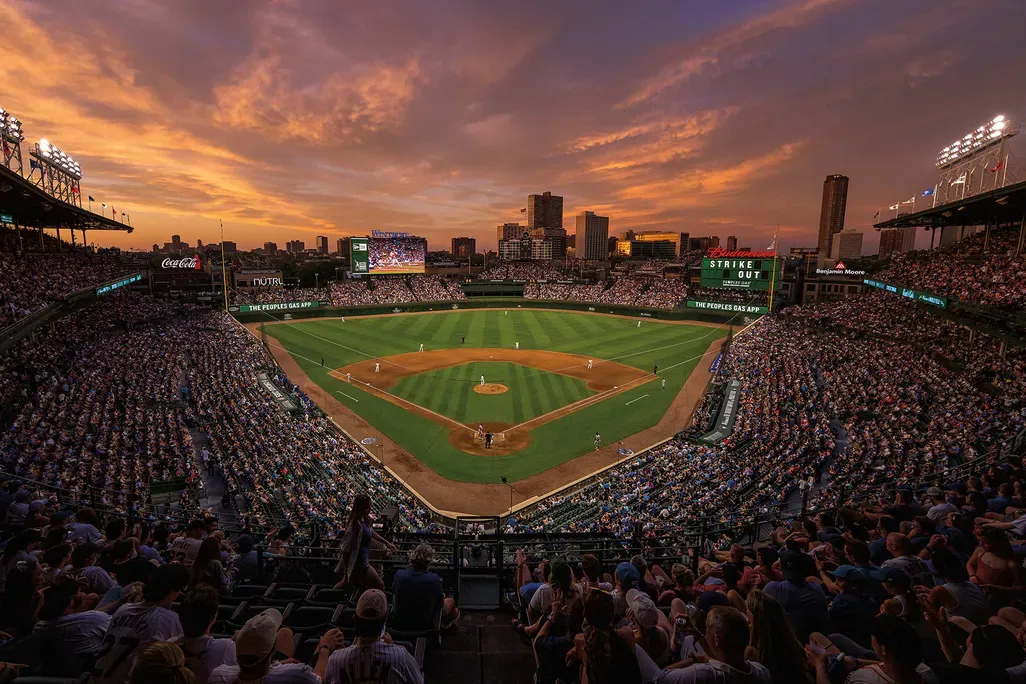
Chicago can deliver two very different park experiences in one city, and Milwaukee adds a third stop within a manageable regional loop. This cluster works especially well when you can stay in Chicago and make Milwaukee the single relocation.
Game times matter more than mileage. A late finish followed by an early first pitch can erase the apparent convenience, so preserve sleep and time to explore Wrigleyville or the tailgate culture in Milwaukee.
- Wrigley Field
- Rate Field
- American Family Field
California: build one coast segment at a time
California is better planned as regional pairs than as one compulsory five-park sprint.
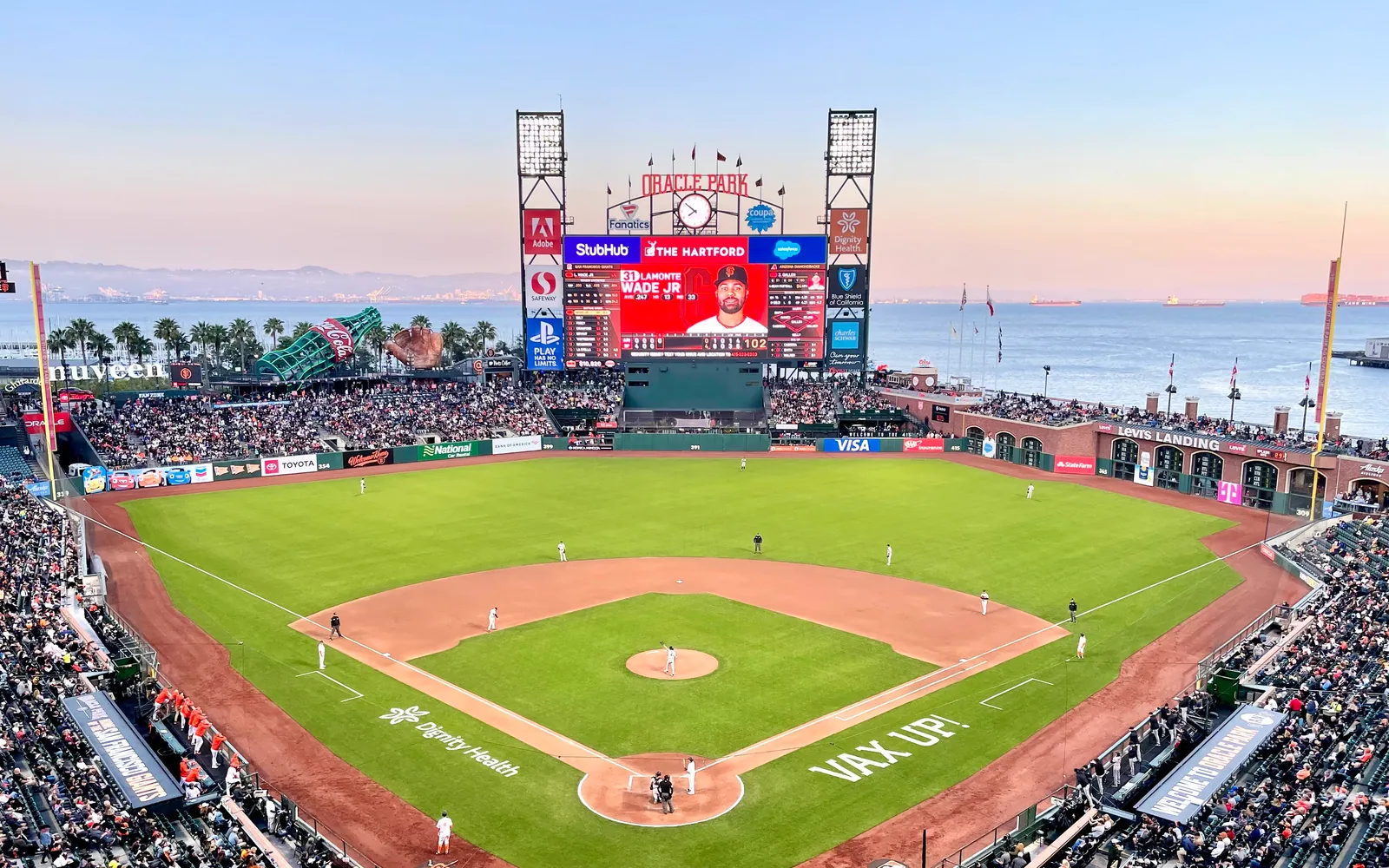
A Bay Area segment can pair Oracle Park with the Athletics' current venue; Southern California can combine Dodger Stadium, Angel Stadium and Petco Park when dates cooperate. Linking north and south adds a major travel day and should earn its place in the itinerary.
Traffic makes distance deceptive. Compare rail, flights and one-way car costs, and avoid scheduling a same-day transfer that depends on crossing a metro area at the perfect time.
- Oracle Park and Sutter Health Park
- Dodger Stadium and Angel Stadium
- Petco Park as a San Diego anchor
Texas and other two-park building blocks
Houston and Arlington create a clean two-park Texas objective, but the distance is large enough to require a real travel plan. Two-park trips elsewhere can be more satisfying than forcing a third city into the week.
Use the official MLB schedule as the source of truth, choose one must-see game, then add the second park only when dates, transport and ticket risk remain comfortable. The same method works for any regional pair.
Anchor the trip around one game you refuse to miss; treat the rest as carefully planned upside.
FAQ
Frequently asked questions
Which MLB stadiums are closest together?
Yankee Stadium and Citi Field share the New York metro area, while Wrigley Field and Rate Field are both in Chicago. Actual travel time still depends on the route and game-day conditions.
Can I visit three MLB ballparks in one weekend?
It is possible when home dates and game times align, especially in compact regions. Build in delay margin and do not rely on a tight transfer for the one game that matters most.
What is a good first MLB road trip?
A two-park route with direct transport is a strong first trip. It teaches the logistics without turning every day into a relocation.
Where should I verify MLB game dates?
Use MLB's official schedule and the participating clubs' official pages before purchasing non-refundable travel.
Research notes
Sources checked
Time-sensitive game-day details should always be rechecked with the club or operator before travel.
- Official MLB schedule Accessed July 22, 2026
- Amtrak route information Accessed July 22, 2026
Keep the story
Turn the next game into a passport stamp.
Log the park, game, trip and memory in Ballpark Passport.