Direct answer
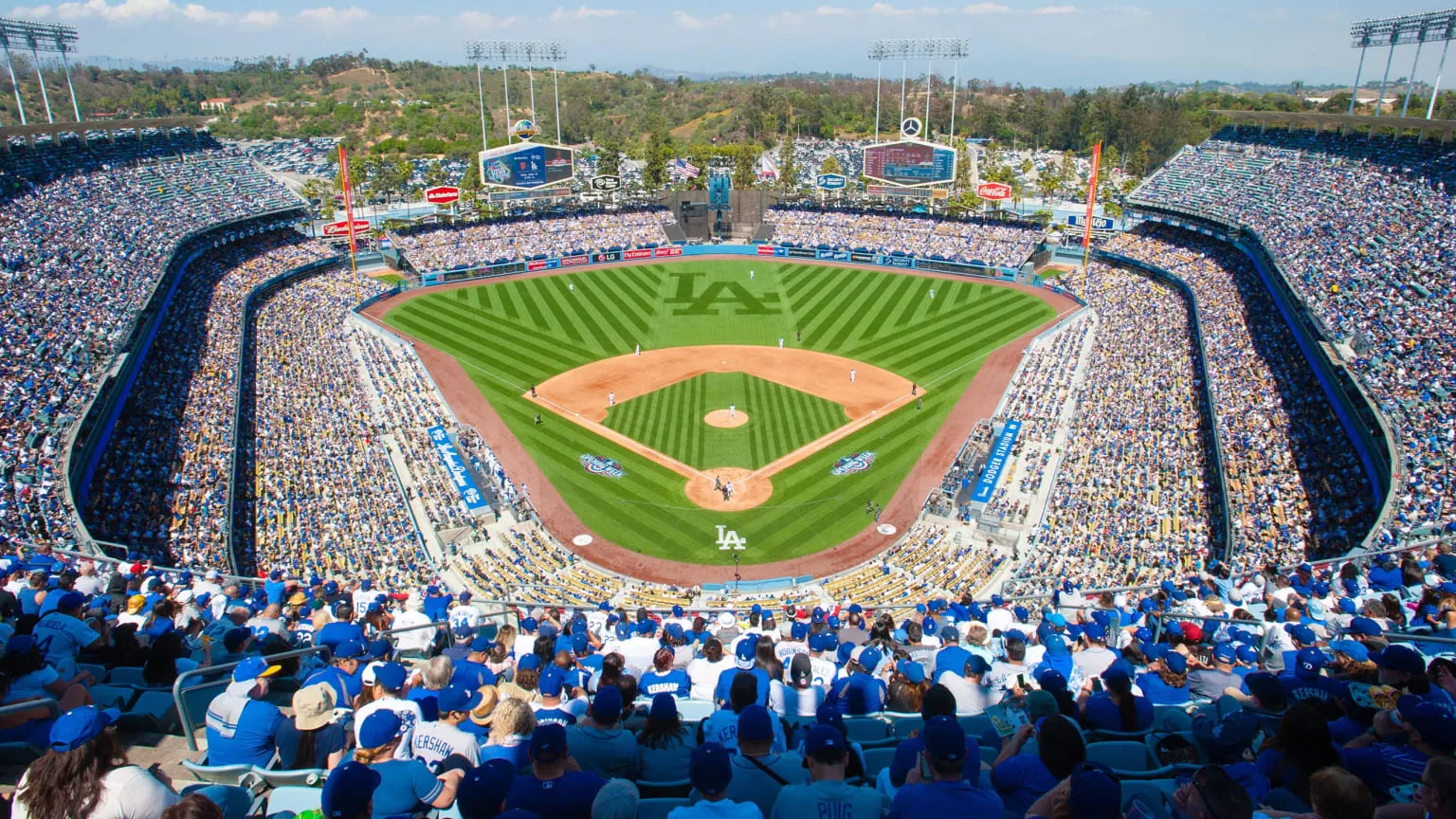
For a first MLB game, seats between the dugouts or slightly above the lower level usually offer the clearest view of the entire field. If those exceed the budget, prioritize a centered upper-level section over a low seat with an extreme angle. Check shade, obstructions and foul-ball exposure.
Key takeaways
Make the decision simpler.
- A centered elevated view is a safe first-game default.
- Shade and group comfort can matter more than proximity.
- Use the official seating chart and inspect the exact section.
Start with the view of the whole game
A moderate elevation near the infield makes pitches, defensive positioning and baserunning easier to follow together.
Very low seats feel close but can flatten the view or place netting and people in the visual path. A slightly elevated angle often gives a new fan more context without losing atmosphere.
If the lower bowl is too expensive, look for the most centered affordable section one level higher. Distance behind home plate is often easier to understand than a closer seat deep down a line.
- Centered sightline
- Enough elevation for the full field
- Clear view of scoreboard
- Comfortable route to concourse
Choose for the people in the seats
Families may value aisle access, nearby restrooms and a shorter concourse trip. A dedicated fan may prioritize pitch movement. A social group may prefer an outfield or standing-room area with more freedom to move.
Ask what would ruin the day: direct sun, steep stairs, constant movement, loud sections or a high price that creates pressure to stay seated. Avoiding the wrong experience is often easier than identifying one perfect seat.
- Children and aisle access
- Mobility and stairs
- Sun and temperature
- Noise and crowd energy
Read the park, not a generic seat chart
Every stadium has different orientation, overhangs, poles, decks and signature areas.
Use the club's official map to identify the section and access level. Then research the direction of the sun for that date and time, potential obstructions and whether the row sits under an overhang.
Historic parks can reward careful research because geometry is less uniform. Newer venues may have specialized social areas or standing rails that change the value calculation.
- Official section and row map
- Day-game sun exposure
- Overhang or obstruction
- Netting and foul-ball zone
Spend deliberately
Decide the all-in ticket ceiling before browsing. Fees and dynamic demand can turn a small upgrade into a much larger decision. Compare several adjacent sections instead of assuming the first lower-level listing is better.
For a road trip, choose one anchor game for a premium view and use value seats at the other parks. That creates contrast and protects the whole travel budget.
A seat that leaves room in the budget for the trip can be better than the closest available row.
FAQ
Frequently asked questions
Where should I sit for my first baseball game?
A centered, moderately elevated infield view is a strong default because it shows the pitcher, hitter, baserunners and defensive alignment together.
Are seats behind home plate always best?
They offer a balanced view but may be expensive. Shade, elevation, netting, group needs and budget can make another section a better choice.
Are upper-deck baseball seats good?
Centered upper-level seats can offer an excellent full-field view and strong value. Check the height, stair access and exact stadium geometry.
How do I avoid sun at an MLB game?
Use the official seating map plus date-specific sun research, and look for covered rows or sides that move into shade. Conditions vary by park and game time.
Research notes
Sources checked
Time-sensitive game-day details should always be rechecked with the club or operator before travel.
- MLB team and ballpark directory Accessed July 22, 2026
- MLB Ballpark app Accessed July 22, 2026
Keep the story
Turn the next game into a passport stamp.
Log the park, game, trip and memory in Ballpark Passport.